tim
Moderator
Is the below story for real or just more internet foolishness?
Food for thought... look for USA
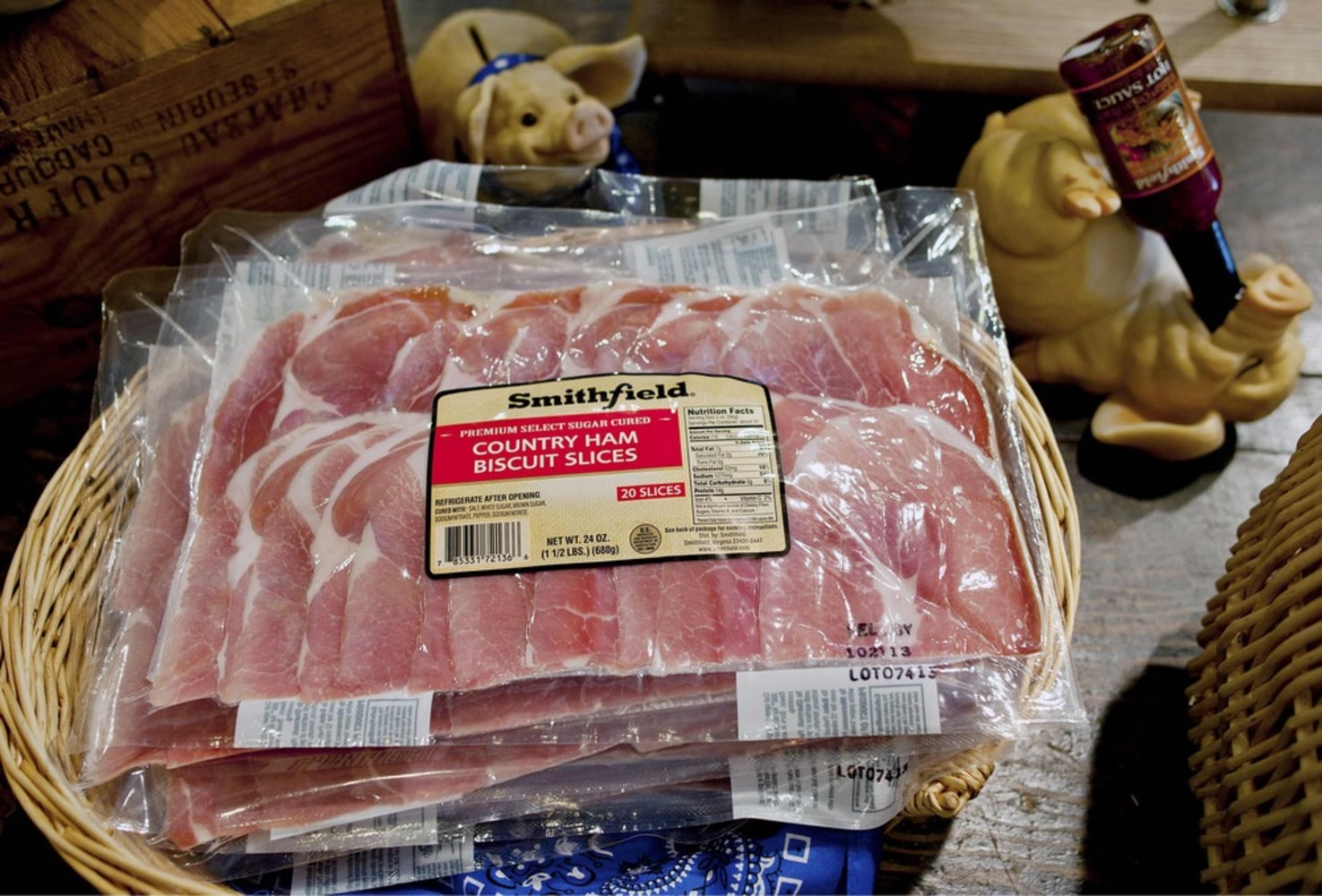
Smithfield Farms, the largest pork producing farm in the USA was sold in September to China with the unanimous support of its stockholders!! The hogs will still be raised here, but slaughtered and packaged for sale there before being sent back here. This includes labels of:
•• Morrell
•• Eckrich
•• Krakus
•• Cudahy
•• Premium Hams
•• Cook's
•• Gwaltney
The same with many chickens. They can now be shipped there, but when they come back all that needs to be labelled is that they WERE RAISED IN THE USA. Not that they were processed in China !!!
Our great FDA at work again. The chickens will be all processed and most sold to fast food restaurants for sandwiches, along with schools and supermarkets. The China slaughter and processing are not nearly equal to the requirements here.
*BAD FOOD.*
We recently learned that Starkist Tuna is now owned by Korea, and is in big conflict with the U.S.concerning quality, safety, and records, which Korea refuses to produce.
Read several articles on Google about this, and even one that was defending the eating of tilapia said to avoid the fish that came from China?
Also, I had just returned home from buying Albertson's 4-day special of 4 bags of frozen tilapia for the price of one? Sure enough, on the top of the bags, it read "farm raised", and on the bottom in small print it said, "China"
read all the way to the end.....
Recently a Food inspector on TV said he had lived overseas and he had seen the filthy conditions their foods are raised and processed in. It is enough to make you throw up. Some foreign workers have to wear masks as they work in these places, because the food is so rotten and filthy, it makes them want to throw up. Many of their fish on Fish Farms are fed raw sewage daily. He said he has seen so much filth throughout their food growing and processing that he would "never" eat any of it. They raise this filth, put some food colouring and some flavourings on it, then they ship it to the USA & Canada for YOU to consume and feed to YOUR families. They have no Food & Safety Inspectors. They ship it to you to buy and poison your families and friends.
Imported food we eat and the junk we buy:
•• Green Giant frozen vegetables are from China,
•• and so are most of Europe's Best.
•• Arctic Gardens are OK; so is
•• Birdseye.
*Never buy the grocery store garlic unless it is clearly marked from USA or Canada*, the other stuff is grown in people poop (even worse than chicken poop). China is the largest producer of garlic in the world; U.S. is next.
*Buy only local honey*, much honey is shipped in huge containers from China and re-packed here.
Cold-FX is grown and packed in China and is full of fecal bacteria. Doesn't work anyway, big scam.
If the country of origin is not clearly marked, beware.
If produce, ask an employee.
Watch out for packages which state "prepared for", "packed by" or "imported by". We don't understand the lack of mandatory labelling, especially the produce.
The country of origin should be clearly shown on the item in the store.
Go to the local farmers' markets in season and keep a wary eye open the rest of the year.
Please read this very carefully, and read to the very bottom. It's important for all of us.
How is it possible to ship food from China cheaper than having it produced in the U. S. or Canada?
FOR EXAMPLE THE "OUR FAMILY" BRAND OF MANDARIN ORANGES SAYS RIGHT ON THE CAN 'FROM CHINA '. - SO, for a FEW MORE CENTS, BUY THE *LIBERTY* BRAND.
*GOLD BRAND or DOLE is from CALIFORNIA*.
Beware, Costco sells canned peaches and pears in a plastic jar that come from China ..
ALL "HIGH LINER" AND MOST OTHER FROZEN FISH PRODUCTS COME FROM CHINA OR INDONESIA. THE PACKAGE MAY SAY "PACIFIC SALMON" ON THE FRONT, BUT LOOK FOR THE SMALL PRINT. MOST OF THESE PRODUCTS COME FROM FISH FARMS IN THE ORIENT WHERE THERE ARE NO REGULATIONS ON WHAT IS FED TO THESE FISH.
*Recently The Montreal Gazette had an article* by the Canadian Government on how Chinese feed the fish: They suspend chicken wire crates over the fish ponds, and the fish feed on chicken s..t.
If you search the internet about what the Chinese feed their fish, you'll be alarmed; eg: growth hormones, expired anti- biotic from humans? Never buy any type of fish or shellfish that comes from these countries:
•• Vietnam
•• China
•• Philippines
Check this out personally.
Steinfeld's Pickles are made in India - just as bad!
Another example is in canned mushrooms. No-Name brand came from Indonesia.
Also check those little fruit cups. They used to be made in Canada in the Niagara region until about 2 years ago. They are now packaged in China. Most sold in Aldi stores.
While the Chinese export inferior and even toxic products, dangerous toys, and goods to be sold in North American markets, the media wrings its hands! Yet, 70% of North Americans believe that the trading privileges afforded to the Chinese should be suspended.
Well, duh ! Why do you need the government to suspend trading privileges?
SIMPLY DO IT YOURSELF, CANADA and the U.S.
Simply look on the bottom of every product you buy, and if it says 'Made in China' or 'PRC' (and that now includes Hong Kong ), simply choose another product, or none at all. You will be amazed at how dependent you are on Chinese products, and you will be equally amazed at what you can do without.
THINK ABOUT THIS:
If 200 million North Americans refuse to buy just $20 each of Chinese goods, thats a billion dollar trade imbalance resolved in our favour ... fast! The downside? Some Canadian/American businesses will feel a temporary pinch from having foreign stockpiles of inventory.
Just one month of trading losses will hit the Chinese for 8% of their North American exports. Then they will at least have to ask themselves if the benefits of their arrogance and lawlessness are worth it.
*START NOW and don't stop, and tell your friends*
Send this to everybody you know. Let's show them that we are intelligent, and NOBODY can take us for granted. *Start reading labels more closely and buy something else even if it cost a few cents more*.
Food for thought... look for USA
Smithfield Farms, the largest pork producing farm in the USA was sold in September to China with the unanimous support of its stockholders!! The hogs will still be raised here, but slaughtered and packaged for sale there before being sent back here. This includes labels of:
•• Morrell
•• Eckrich
•• Krakus
•• Cudahy
•• Premium Hams
•• Cook's
•• Gwaltney
The same with many chickens. They can now be shipped there, but when they come back all that needs to be labelled is that they WERE RAISED IN THE USA. Not that they were processed in China !!!
Our great FDA at work again. The chickens will be all processed and most sold to fast food restaurants for sandwiches, along with schools and supermarkets. The China slaughter and processing are not nearly equal to the requirements here.
*BAD FOOD.*
We recently learned that Starkist Tuna is now owned by Korea, and is in big conflict with the U.S.concerning quality, safety, and records, which Korea refuses to produce.
Read several articles on Google about this, and even one that was defending the eating of tilapia said to avoid the fish that came from China?
Also, I had just returned home from buying Albertson's 4-day special of 4 bags of frozen tilapia for the price of one? Sure enough, on the top of the bags, it read "farm raised", and on the bottom in small print it said, "China"
read all the way to the end.....
Recently a Food inspector on TV said he had lived overseas and he had seen the filthy conditions their foods are raised and processed in. It is enough to make you throw up. Some foreign workers have to wear masks as they work in these places, because the food is so rotten and filthy, it makes them want to throw up. Many of their fish on Fish Farms are fed raw sewage daily. He said he has seen so much filth throughout their food growing and processing that he would "never" eat any of it. They raise this filth, put some food colouring and some flavourings on it, then they ship it to the USA & Canada for YOU to consume and feed to YOUR families. They have no Food & Safety Inspectors. They ship it to you to buy and poison your families and friends.
Imported food we eat and the junk we buy:
•• Green Giant frozen vegetables are from China,
•• and so are most of Europe's Best.
•• Arctic Gardens are OK; so is
•• Birdseye.
*Never buy the grocery store garlic unless it is clearly marked from USA or Canada*, the other stuff is grown in people poop (even worse than chicken poop). China is the largest producer of garlic in the world; U.S. is next.
*Buy only local honey*, much honey is shipped in huge containers from China and re-packed here.
Cold-FX is grown and packed in China and is full of fecal bacteria. Doesn't work anyway, big scam.
If the country of origin is not clearly marked, beware.
If produce, ask an employee.
Watch out for packages which state "prepared for", "packed by" or "imported by". We don't understand the lack of mandatory labelling, especially the produce.
The country of origin should be clearly shown on the item in the store.
Go to the local farmers' markets in season and keep a wary eye open the rest of the year.
Please read this very carefully, and read to the very bottom. It's important for all of us.
How is it possible to ship food from China cheaper than having it produced in the U. S. or Canada?
FOR EXAMPLE THE "OUR FAMILY" BRAND OF MANDARIN ORANGES SAYS RIGHT ON THE CAN 'FROM CHINA '. - SO, for a FEW MORE CENTS, BUY THE *LIBERTY* BRAND.
*GOLD BRAND or DOLE is from CALIFORNIA*.
Beware, Costco sells canned peaches and pears in a plastic jar that come from China ..
ALL "HIGH LINER" AND MOST OTHER FROZEN FISH PRODUCTS COME FROM CHINA OR INDONESIA. THE PACKAGE MAY SAY "PACIFIC SALMON" ON THE FRONT, BUT LOOK FOR THE SMALL PRINT. MOST OF THESE PRODUCTS COME FROM FISH FARMS IN THE ORIENT WHERE THERE ARE NO REGULATIONS ON WHAT IS FED TO THESE FISH.
*Recently The Montreal Gazette had an article* by the Canadian Government on how Chinese feed the fish: They suspend chicken wire crates over the fish ponds, and the fish feed on chicken s..t.
If you search the internet about what the Chinese feed their fish, you'll be alarmed; eg: growth hormones, expired anti- biotic from humans? Never buy any type of fish or shellfish that comes from these countries:
•• Vietnam
•• China
•• Philippines
Check this out personally.
Steinfeld's Pickles are made in India - just as bad!
Another example is in canned mushrooms. No-Name brand came from Indonesia.
Also check those little fruit cups. They used to be made in Canada in the Niagara region until about 2 years ago. They are now packaged in China. Most sold in Aldi stores.
While the Chinese export inferior and even toxic products, dangerous toys, and goods to be sold in North American markets, the media wrings its hands! Yet, 70% of North Americans believe that the trading privileges afforded to the Chinese should be suspended.
Well, duh ! Why do you need the government to suspend trading privileges?
SIMPLY DO IT YOURSELF, CANADA and the U.S.
Simply look on the bottom of every product you buy, and if it says 'Made in China' or 'PRC' (and that now includes Hong Kong ), simply choose another product, or none at all. You will be amazed at how dependent you are on Chinese products, and you will be equally amazed at what you can do without.
THINK ABOUT THIS:
If 200 million North Americans refuse to buy just $20 each of Chinese goods, thats a billion dollar trade imbalance resolved in our favour ... fast! The downside? Some Canadian/American businesses will feel a temporary pinch from having foreign stockpiles of inventory.
Just one month of trading losses will hit the Chinese for 8% of their North American exports. Then they will at least have to ask themselves if the benefits of their arrogance and lawlessness are worth it.
*START NOW and don't stop, and tell your friends*
Send this to everybody you know. Let's show them that we are intelligent, and NOBODY can take us for granted. *Start reading labels more closely and buy something else even if it cost a few cents more*.